Wild City

In the Midst of Winter

invincible winter
Invincible Winter

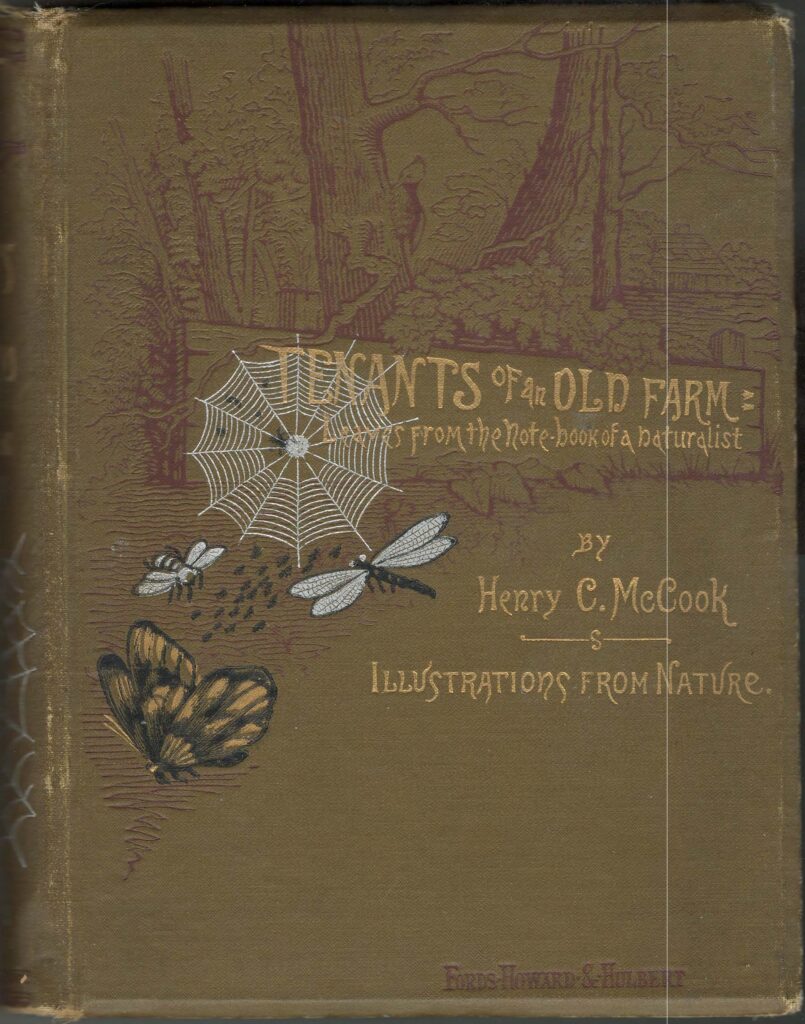
In the midst of winter I found there was, within me, another winter, a winter that had crept in through my window and made for itself a cold palace of ice. And that makes me frightened. For it says that no matter how hard the furnace pushes against it, there’s something stronger—something even more Arctic, pushing right back.

[With apologies to Camus.]

*

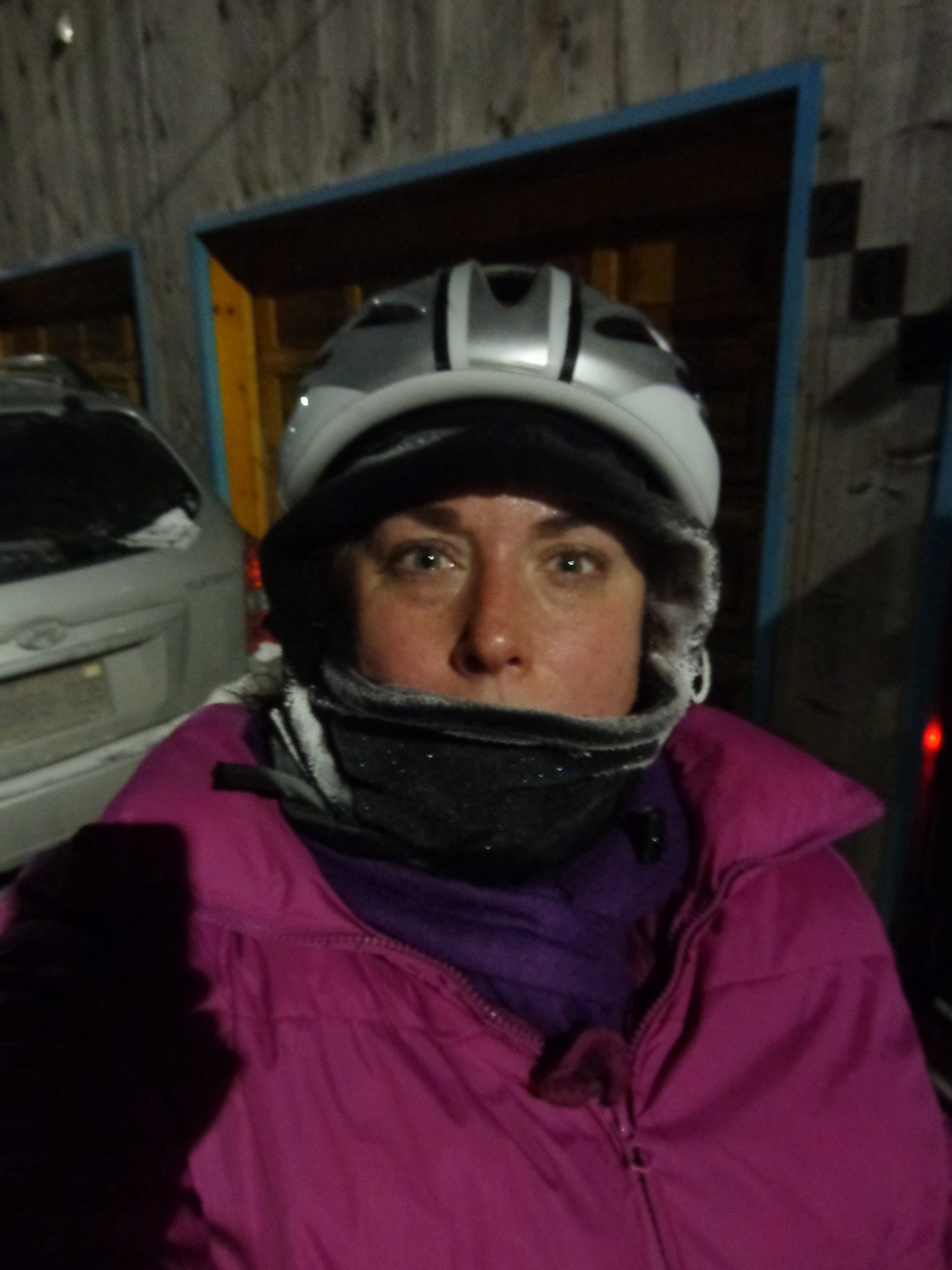
Bonus pic: here’s me back in my bike commuting days, having just made it home at minus 19 degrees (Celsius; -2.2 Fahrenheit) on a frigid January night. This was during the so-called ‘Polar Vortex’ winter of 2013-2014, when temperatures were frigid for weeks. I’d leave home at about noon, with temperatures having ‘warmed up’ to -15 or so, and return home at about 10 pm. This was, I think, my coldest ride (the nightly lows of -24 or lower didn’t hit until after midnight).

That winter changed me in some lasting ways. More than a decade later, the cold still doesn’t bother me: that winter, I developed a strange respect for it that seemed reciprocated. It’s hard to describe, that sense of accepting the cold on its terms and asking it to permit me safe passage across its terrain. I no longer bike in the winter, though, and that balaclava is currently in deep storage.

*

Ooh: and another bonus pic. This is me with our child, heading off to school that winter, at about minus 24 Celsius. The worst thing on these mornings wasn’t the cold: it was that the sidewalks were a glare of ice.


[I’ve been dismantling my Facebork account the lazy way, by checking in regularly to delete everything posted on a given day via the helpful ‘Memories’ widget. Anything worth saving gets downloaded; items still worth sharing occasionally appear here.]

In the Midst of Winter Read More »

Ice Discs on the Gananoque River

ice circles on a slowly flowing river in eastern Ontario, January 2017

This photo, taken in January of 2017, shows ice discs on the Gananoque River in Ontario, Canada. It was a frigid winter day, and these ice discs had formed in the lee of the current immediately downstream of a dam and waterfall in the river. The ice discs swirled in the current, bumping against each other as new discs formed, likely calving off the patchy ice near the shore. It was a remarkable thing to see on a very chilly walk overtown from my mother’s house.

Ice discs are reportedly an uncommon phenomenon and are the result of rotational shear influencing the formation and shape of ice in cold climate rivers. Some ice discs grow very large, measuring tens of metres in diameter. The discs I photographed in the Gananoque River on that frigid January day were much smaller, averaging about 10 inches (25 cm) across.

It turns out I am not the only person who has noticed ice discs forming on the Gananoque River: these wonderful images of ice disks were taken by photographer Deb Keogh in January of 2025, also on ‘the Crick’ below the dam. Conditions on the Crick that likely lend themselves to the formation of ice disks include the turbidity of water flowing over the dam; the lee in the current immediately downstream; and the shallow basin of this stretch of the Crick—all intersecting with a cold snap. It also seems possible that clear conditions—such as those producing a differential between the temperature of the air and water—may also contribute to the formation of ice discs

Fun fact: A parallel phenomenon is possible, although exceedingly uncommon, in warm climates. El Ojo, or ‘The Eye’ is a floating island composed of organic matter that swirls on its axis in an Argentinean lake. Its slow rotation and shape are reportedly caused by the same rotational shearing effect as is seen with ice disks.

[This oldish photo popped up on Sunday while I was downloading old photos and posts from my Facebork account, which I’ve been dismantling the lazy way, using the helpful ‘Memories’ timeline tool to delete (almost) everything posted on a given date. I’ll likely share a few more of those images here.]

Ice Discs on the Gananoque River Read More »

Natural History in Print | Tenants of An Old Farm (1886)

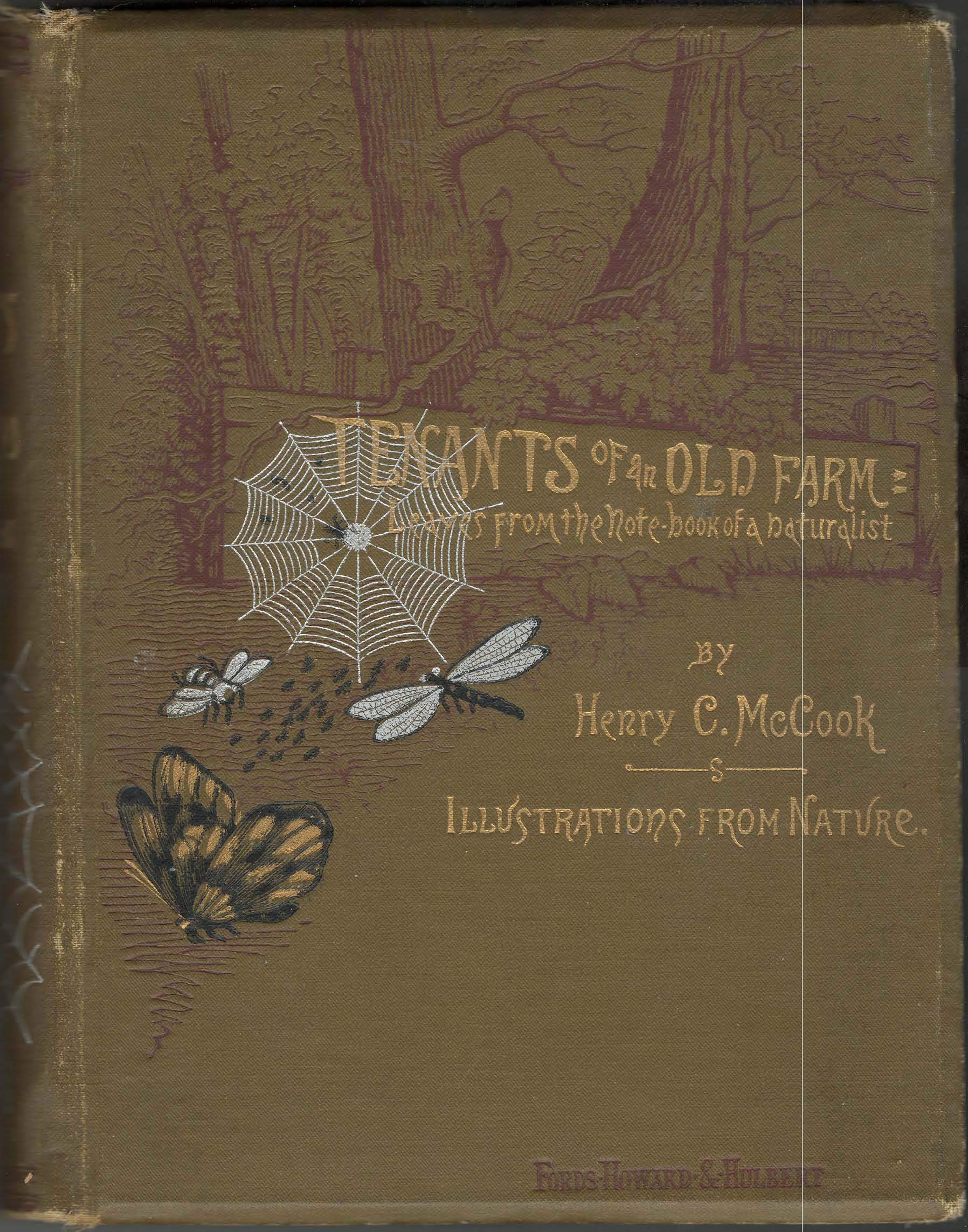
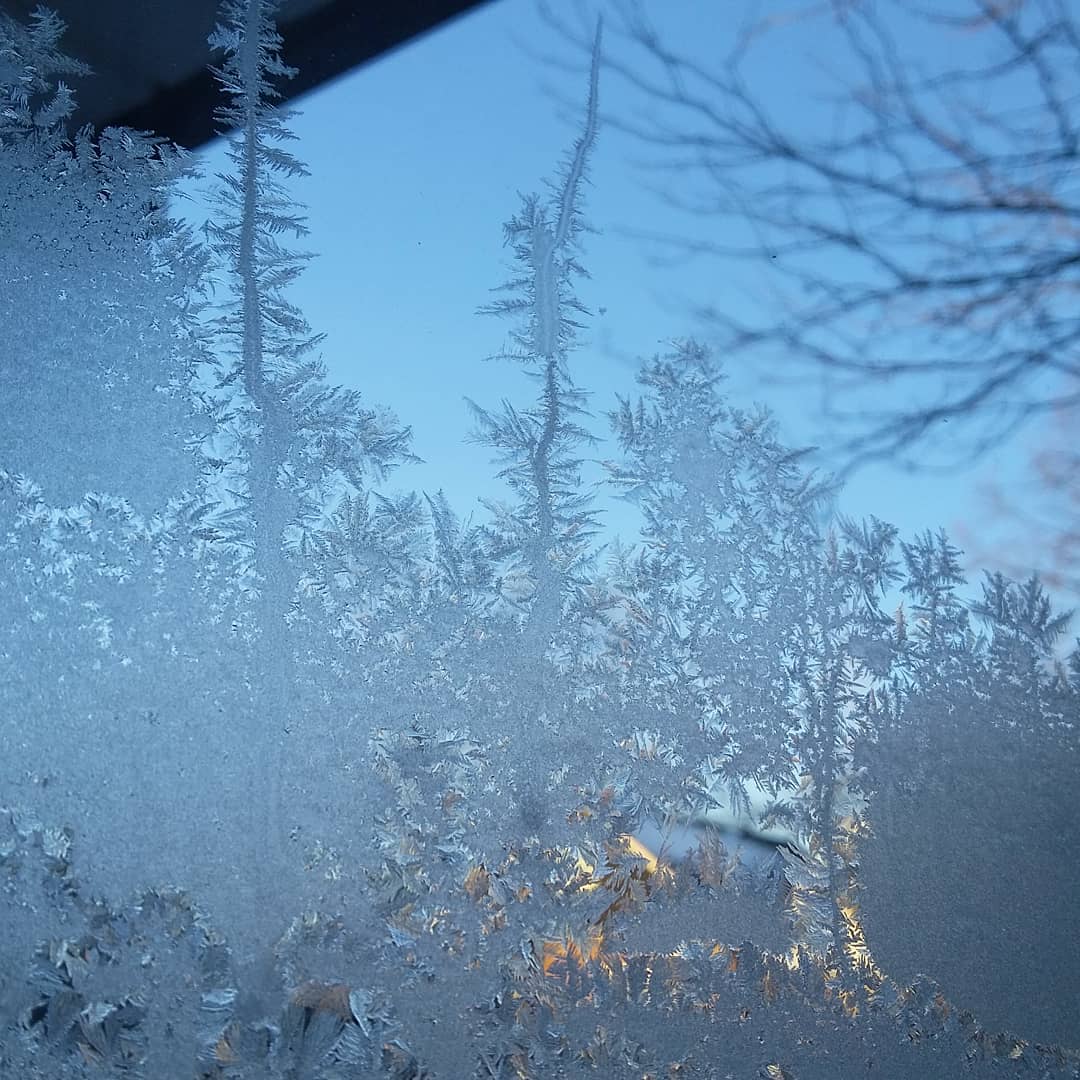
Cover of an old book titled Tenants of Old Farms. Text is gilt; illustration shows spider web and insects. 1886. I am very fond of old natural history books, particularly those published prior to about 1910. They are usually charmingly written, often perspicacious in their discussions of science, and almost always beautifully printed and illustrated.

Tenants of an Old Farm: Leaves from the Note-book of a Naturalist (which I bought for $20 at last year’s Trinity College Book Sale) is a splendid example of this type of book. Originally published in 1884 (my copy the Third Edition of 1886), it was written by Henry C. McCook (1837-1911), a noted American naturalist and (Presbyterian) clergyman. McCook was, among many other things, an expert on ants and spiders. He published eight books on insects and nearly a dozen on theology—a particularly interesting confluence in the wake of Charles Darwin’s work on natural selection.

And indeed, evolution—and Darwin himself—are referenced in Tenants of an Old Farm. In a chapter on burrowing insects, the narrator (McCook himself, the reader presumes) probes into a farm visitor’s views on evolution , hoping to spur an argument:

“Perhaps, I suggested, thinking to draw the Doctor’s theological fire, “The insect is a far-away ancestor of the vertebrate? At least, an evolutionist might have no difficulty in accounting for such resemblances by some application of this theory.”

The Doctor surprises the narrator by supporting the proposition:

The Doctor glanced slily at me, smiled, and answered: “Ah! you shall not disturb my equanimity so. Evolution is no theological bête noir to me. Not that I believe it all; on the contrary, I think it is yet an unproved hypothesis. But, considered as a method of creation simply, I am willing to leave it wholly in the hands of the naturalists and philosophers. Of course, that materialistic view of evolution, which dispenses with a Divine Creator as the First Cause of all things, has no place in my thought. That is not for a moment to be tolerated; but, as for the rest, why should Christian people disturb themselves? Science has not yet said her last word, by any means, and we can well afford to wait.”

In this way, McCook introduces and quells the theological argument against evolution while deftly modeling the method of science: weighing theories in light of the available evidence and remaining open to new explanations.

Later, in a chapter titled ‘The History of a Bumble-Bee,’ the narrator directly references “the late Mr. Darwin [and] his book on the “Origin of Species” in a discussion of co-evolved relationships among living things:

We may infer, he says, as highly probable, that were the entire genus of bumble-bees to become extinct or very rare in England, the heart’s-ease and red clover (which they fertilize by carrying pollen from flower to flower), would become very rare or wholly disappear.

Given that some religious leaders remained hostile to the emerging science, viewing it as a threat to Biblical teachings, McCook’s handling of the subject comes across as nuanced and refreshingly balanced. Would that such differences could be handled nearly as deftly in this ideological age!

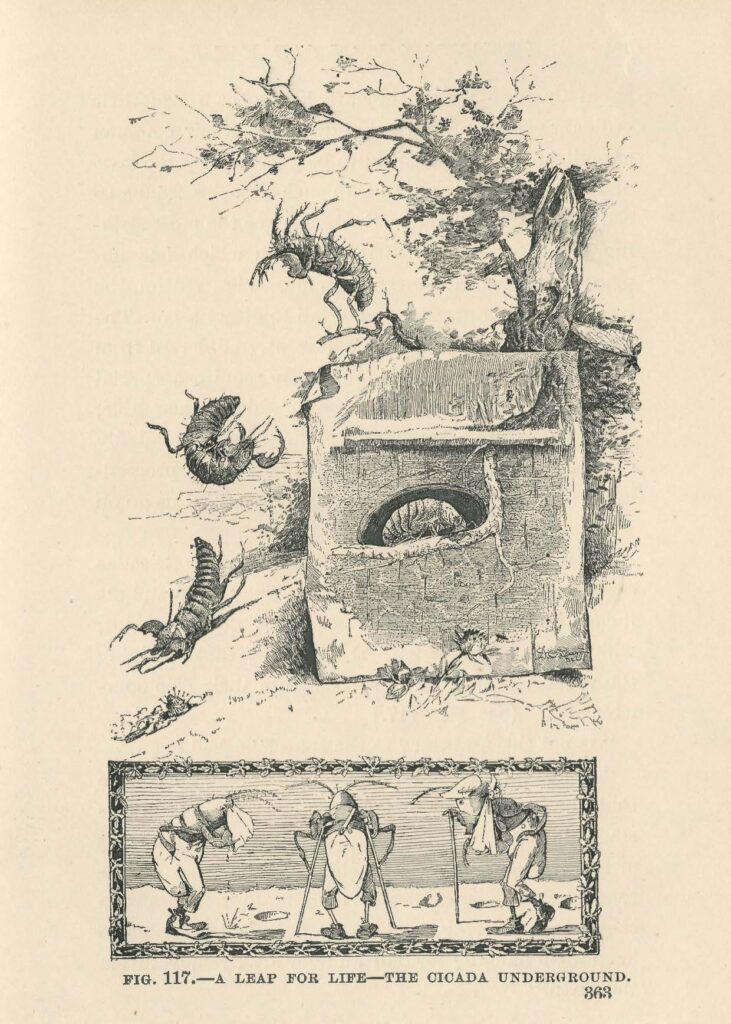
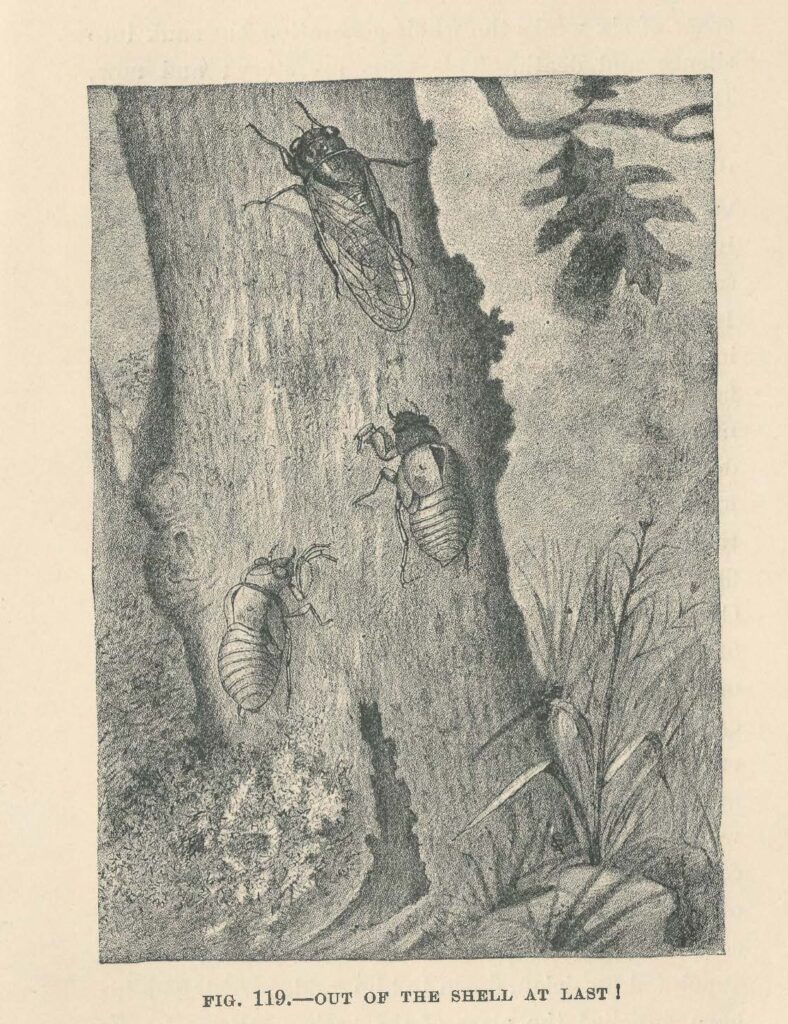
The book’s illustrations are detailed and often amusing. Look at these images showing the life-cycle of the cicada:

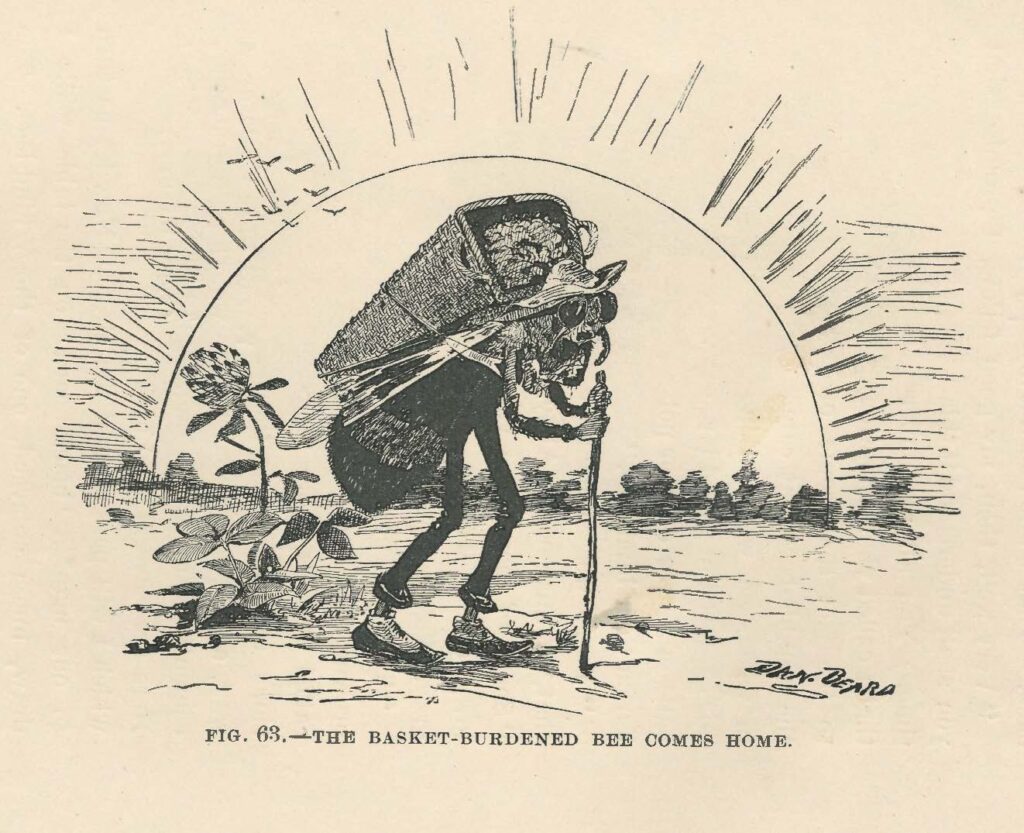
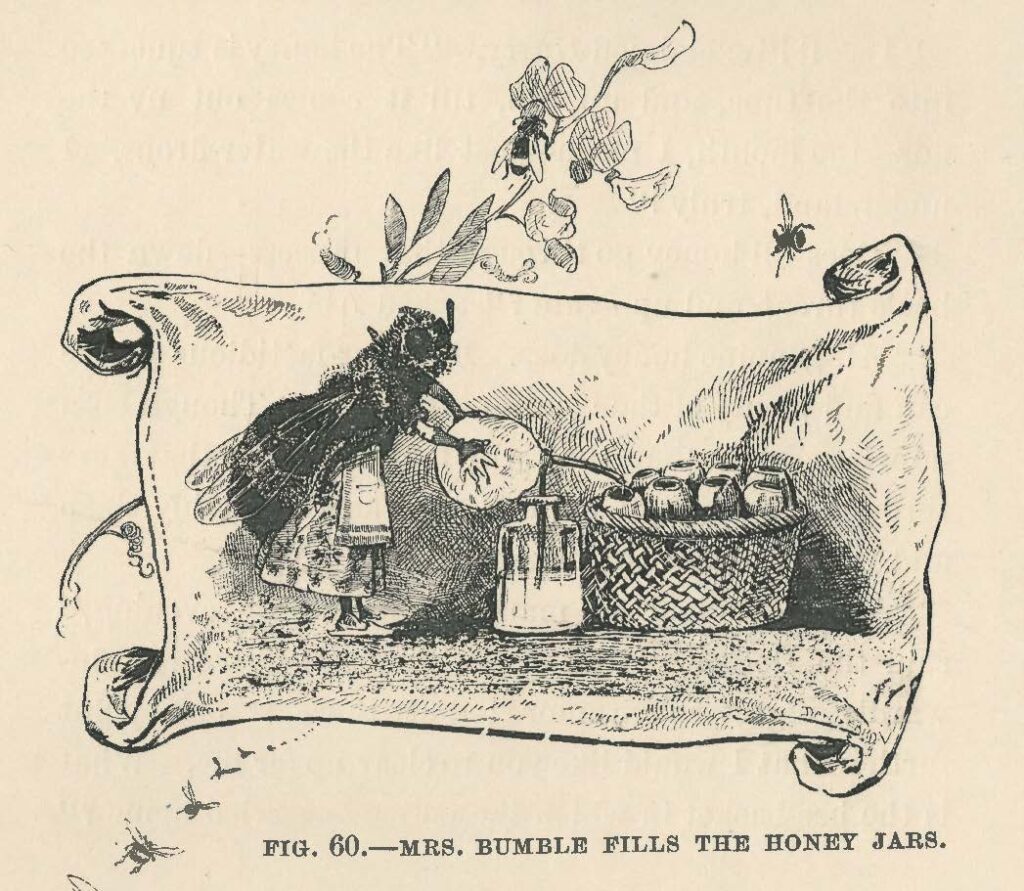
… and these highly anthropomorphic images of the hard-working bumblebee:

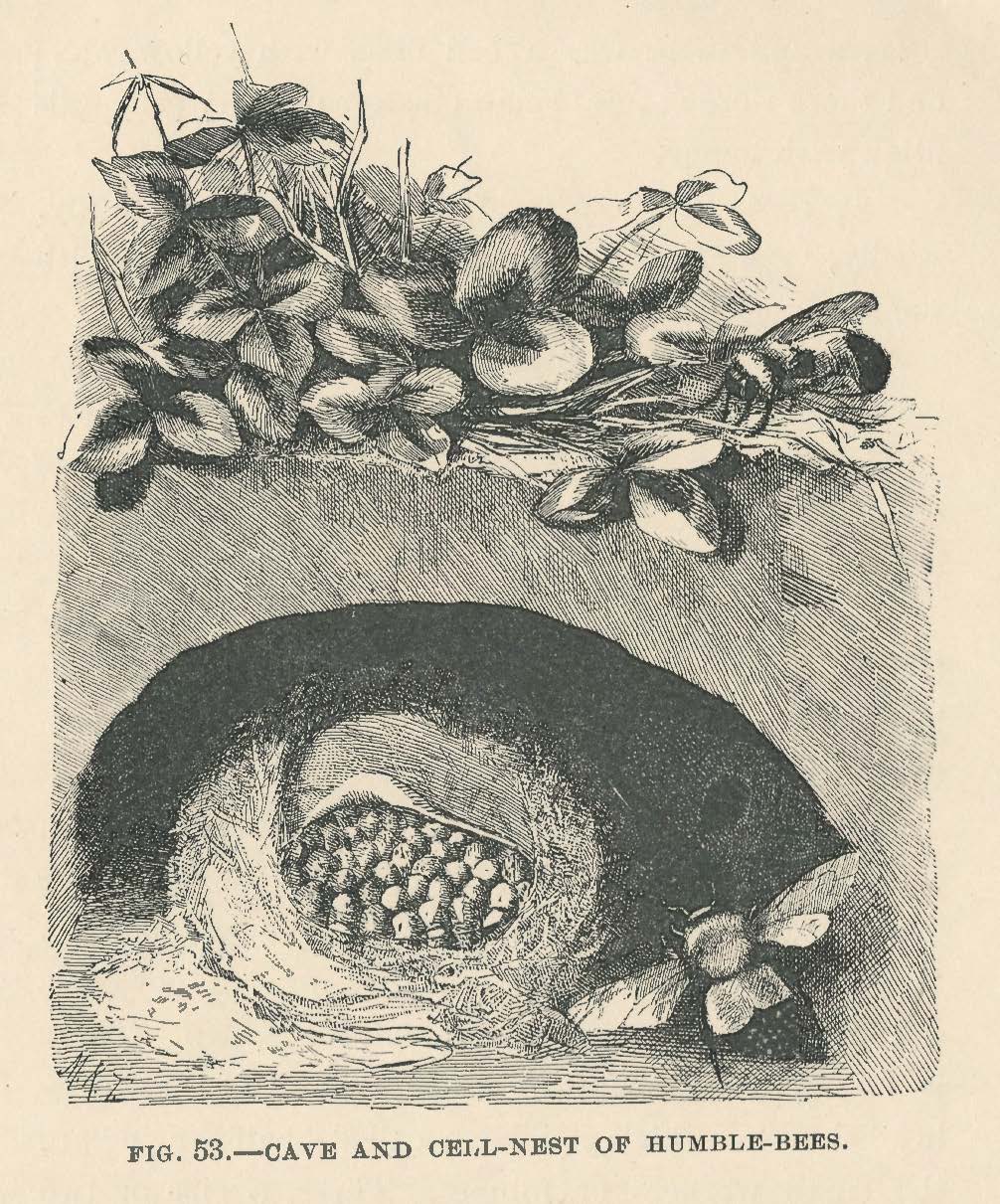
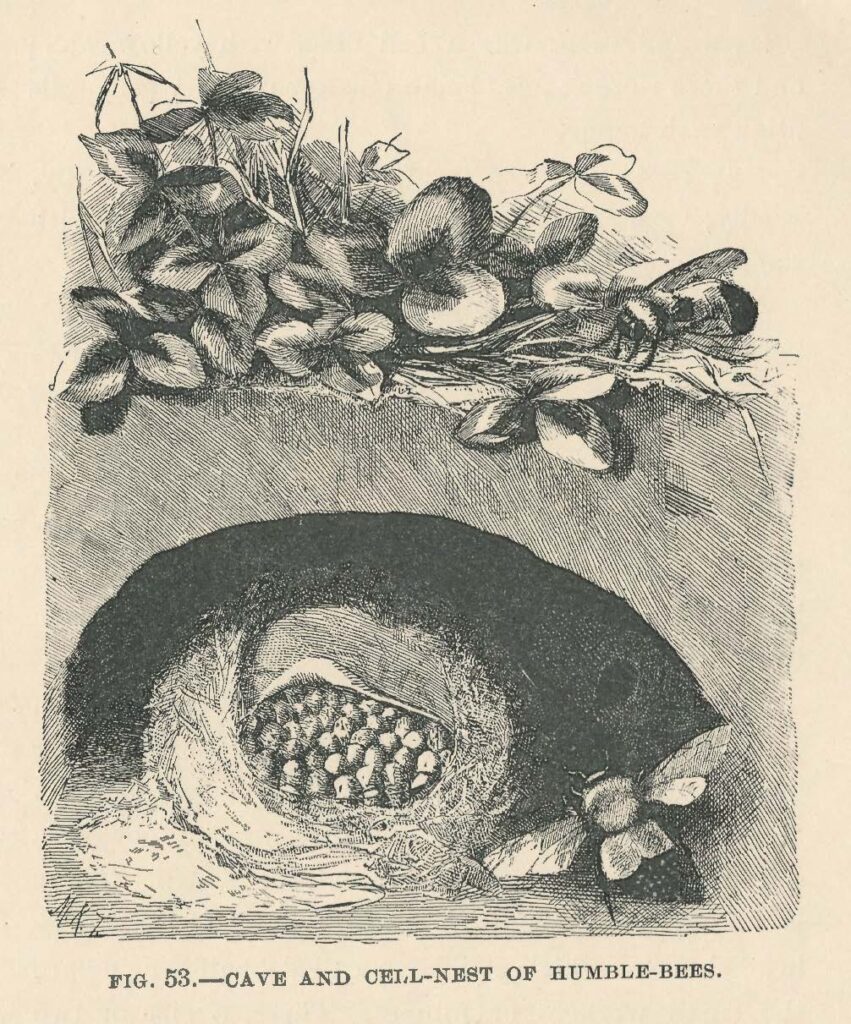
… plus this cross-section of ground-dwelling bumblebee nests:
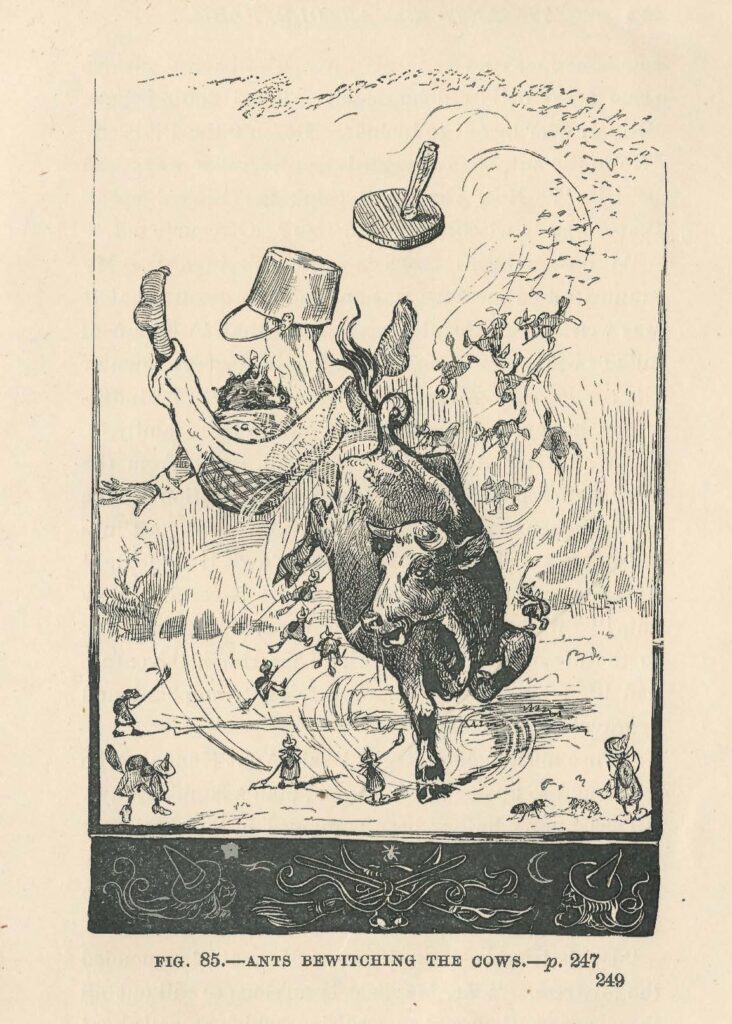
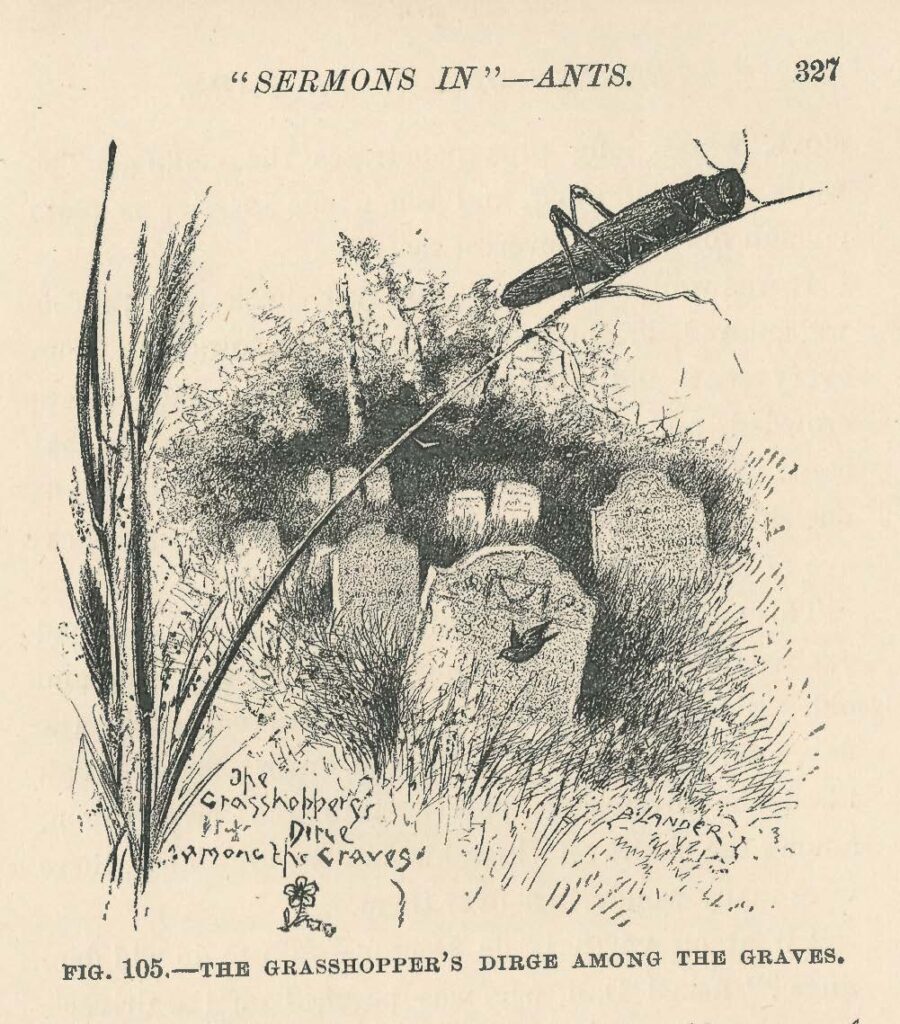
… and, finally, these two somewhat perplexing images (which make perfect sense in narrative context) of “Ants Bewitching the Cows” and “The Grasshopper’s Dirge Among the Graves:”

If you are interested in McCook’s work, the Biodiversity Heritage Library has several of his books and articles available in digital format. Tenants of an Old Farm is also available at the Internet Archive.
Natural History in Print | Tenants of An Old Farm (1886) Read More »

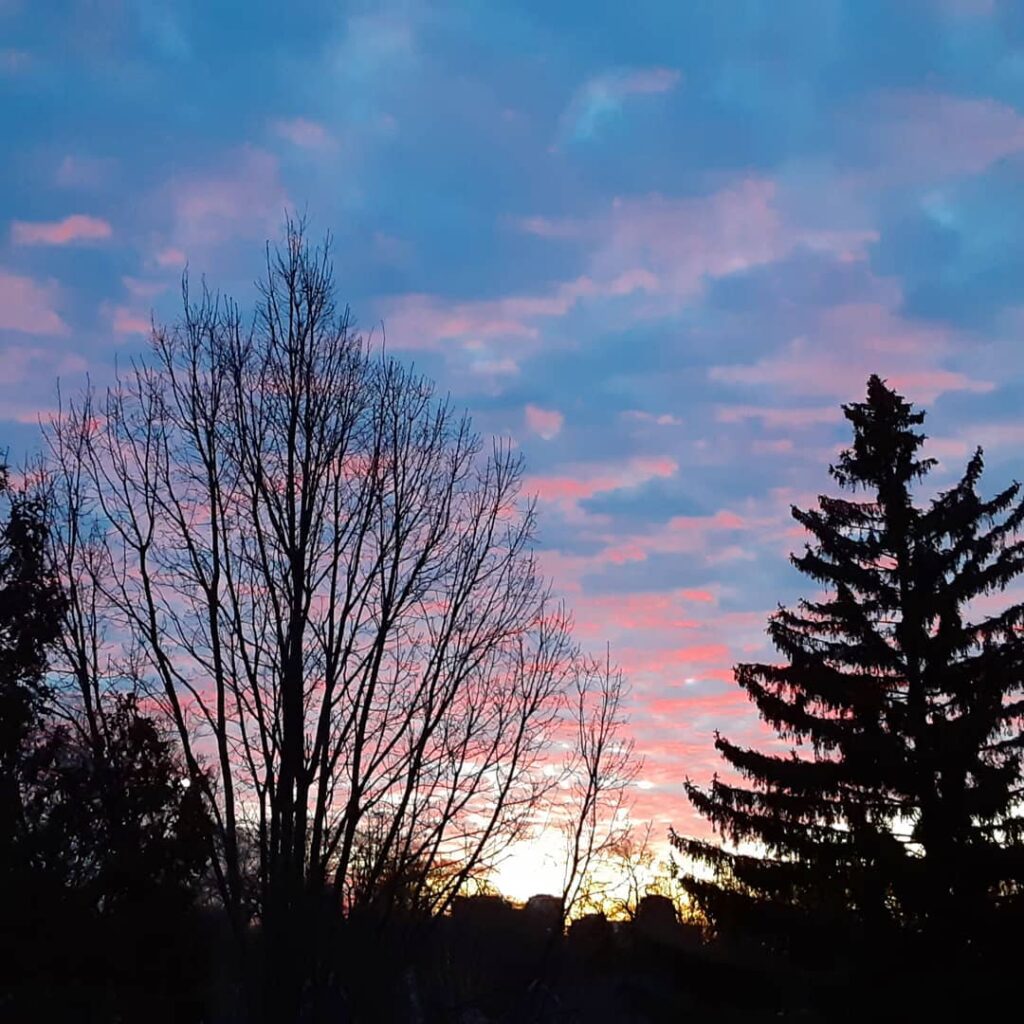
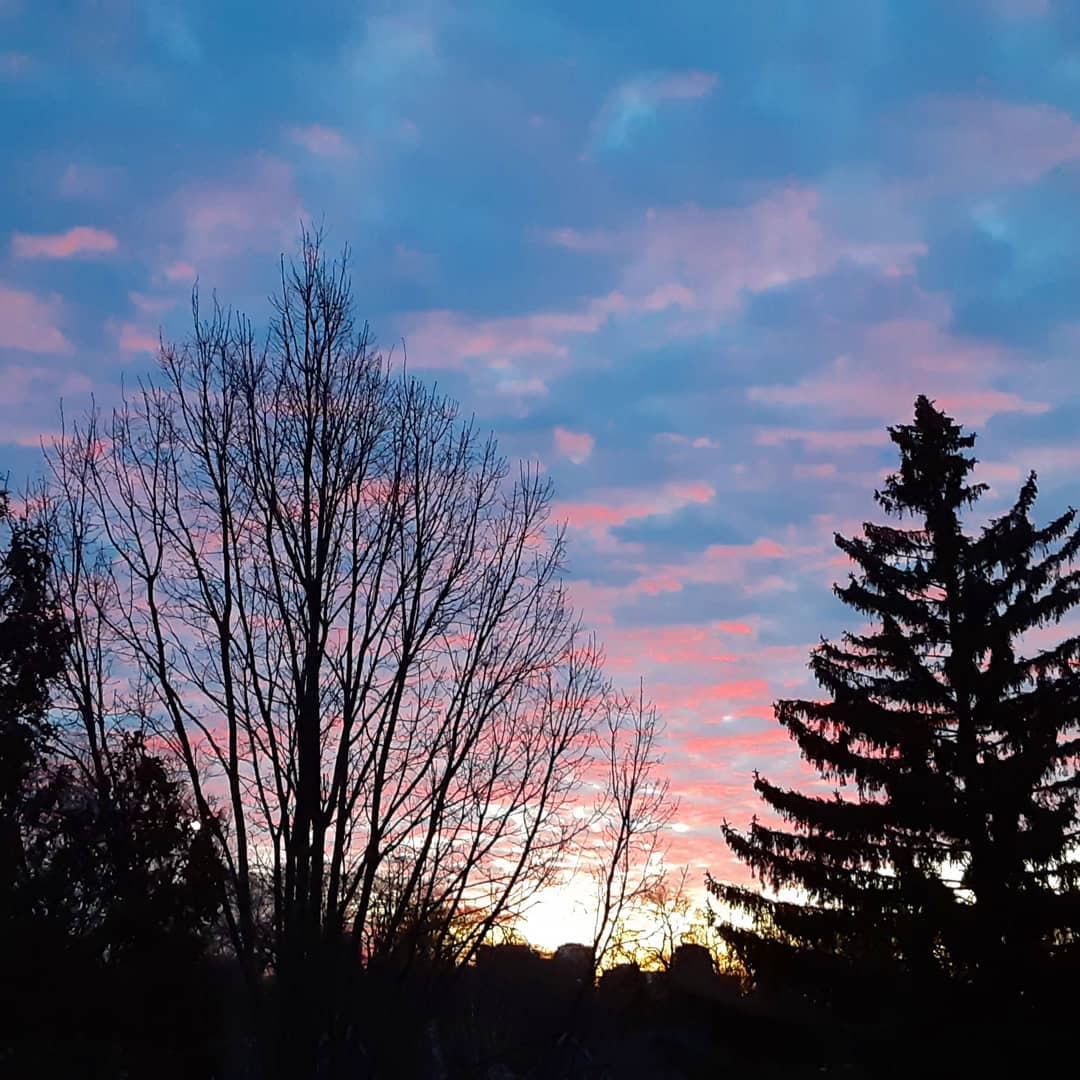
winter sunrise, showing hues of blue and pink silhouetting bare oak and a tall spruce or fir

Winter Sunrise

winter sunrise, showing hues of blue and pink silhouetting bare oak and a tall spruce or firSix years ago, on the second day of the year, I took this picture from the rooftop deck of our home in the west end of Toronto. I like the way it captures the slow return of light to the hemisphere, silhouetting stark wintry forms in the middle distance.

Light returns: already the days are seven minutes longer than they were at the Solstice, with precious extra minutes of daylight currently noticeable mainly at dusk. Soon the sun will rise noticeably earlier, and when it does, around the end of January, the buds on the silver maples will grow fat and the crows will again begin to call.

Light also returns at night. The full Wolf Moon—a Supermoon this month—rides high overhead (at its fullest this morning at 5:03 am EST), and if the weather is clear this will be the best evening to view it, rising in the east right at dusk. In Toronto, the best place to view the full Wolf Moon is in a car traveling east toward downtown along the lakeshore, early in the evening. There is uncanny beauty in the city skyline laid out beneath the huge glowing moon. If the conditions on the water are right, moonlight illuminates the lake like a painting.

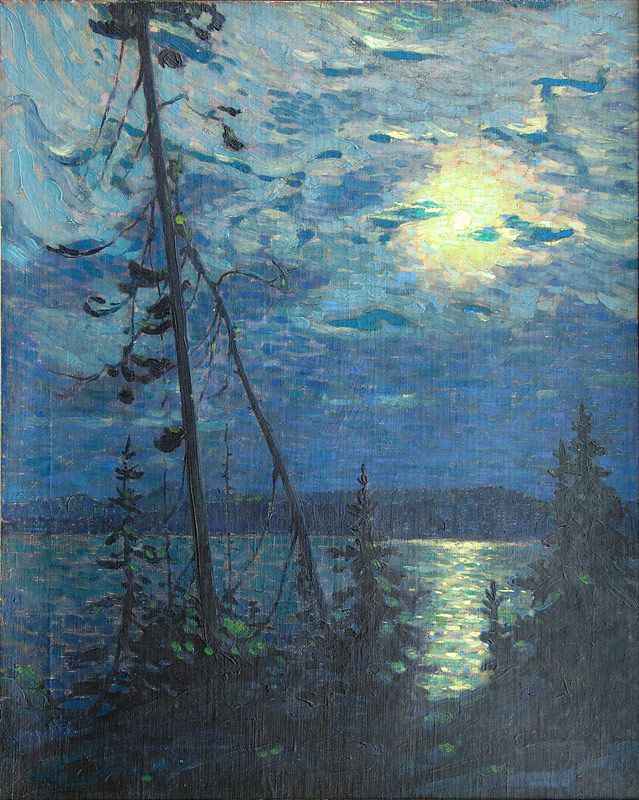
I have no good photos to share of the full moon over Toronto, so here is Tom Thomson’s luminous painting ‘Moonlight’ (1915-16).

Tom Thomson painting, Moonlight, Winter 1915-16, showing a nighttime scene of moonlight over a lake with trees in the foreground
Tom Thomson, Moonlight, 1915-16.

Winter Sunrise Read More »

A Red Bird in Winter

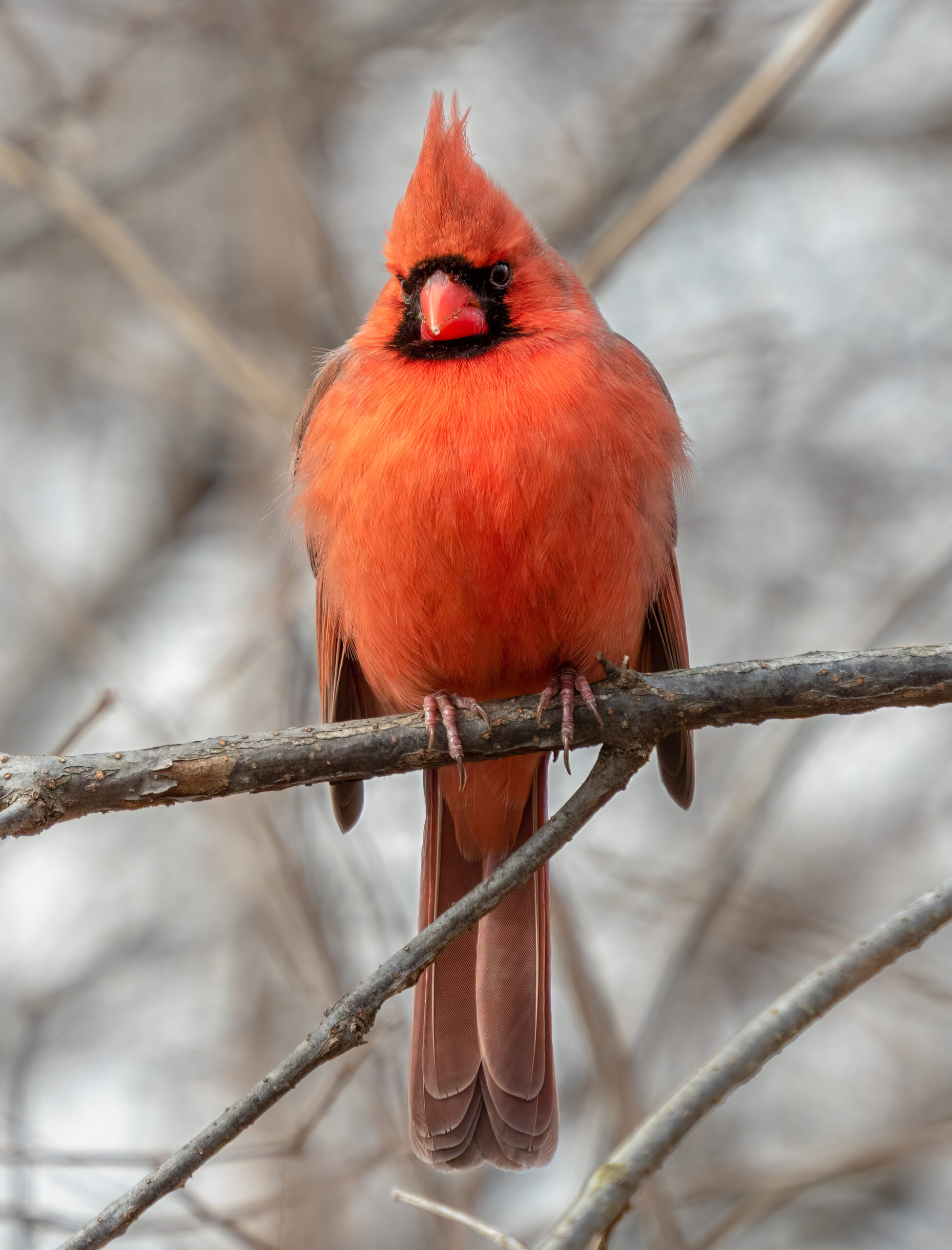
northern cardinal
Northern cardinal. Image source. Creative Commons license.

During the long night of winter the city pauses, midway between dark and day. It goes on like this for weeks: each bleary dawn, the fickle light, the slow descent into twilight. There are consolations, however. A morning sky like burnished silver; the sly moon, gliding across the landscape. After a snow the light is brilliant, and on the first day of the year we dredge for hope in its drifts.

All the things we might love appear without warning, appear out of nowhere, like the red bird in winter that turns the season toward light. The winter swells like a wound; it wells up in us; suspends us, our shovels frozen in mid-air. We are like mammoths, fossils imprisoned in ice until something in us trickles free, until the crystalline structure shatters and we move again, flowing toward the light.

On the first day of the year the houses across the alley loom like old ghosts. They waver in a squall, their shape traced and erased by branches. A cardinal lands in the cedar, sings despite the storm. A light goes on in someone’s kitchen, a kettle scrapes across the stove. And rapidly I dress and put on my coat, and go out to greet the year.

[A version of this post appeared at Reading Toronto on 1 January 2008.]

A Red Bird in Winter Read More »