winter

In the Midst of Winter
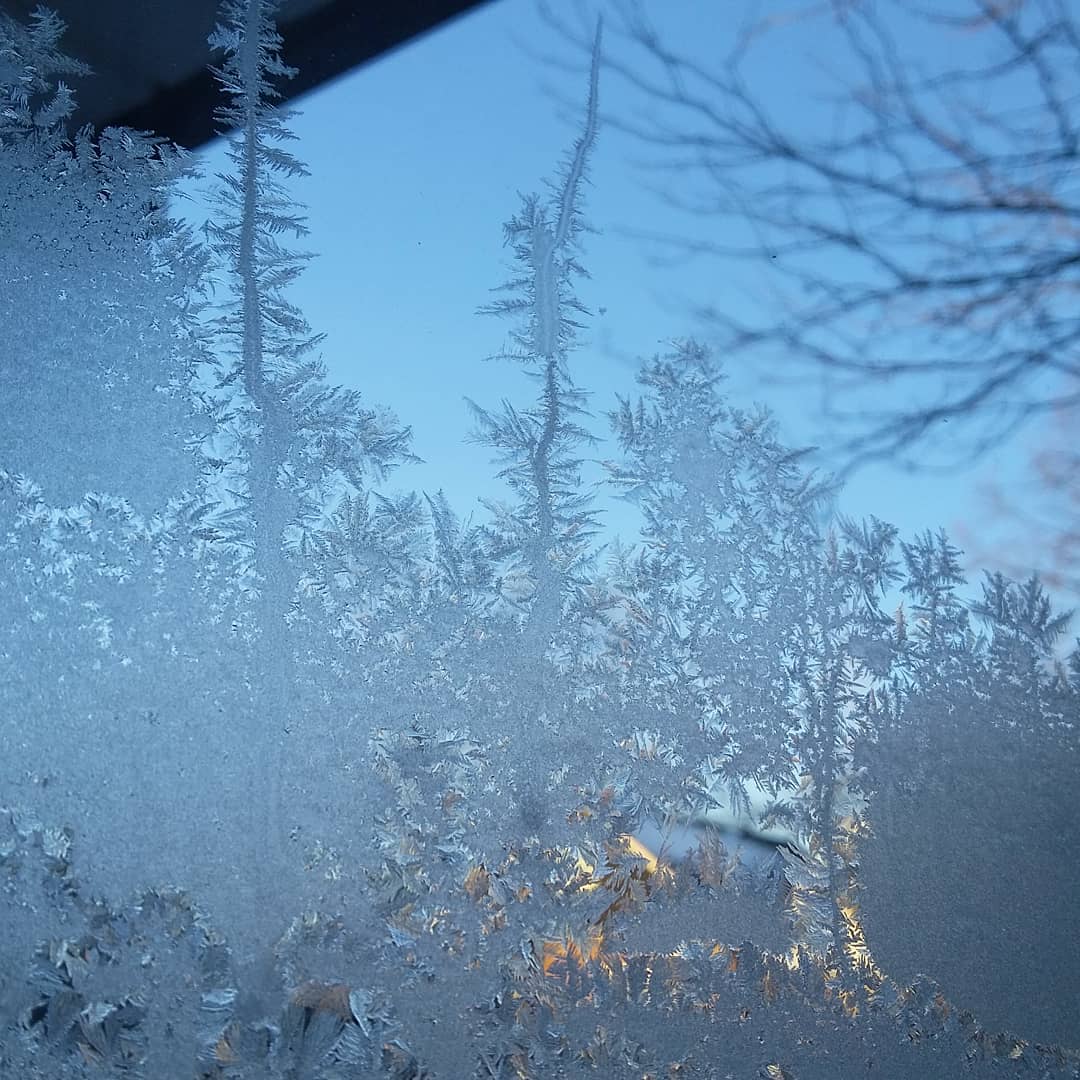
invincible winter
Invincible Winter

In the midst of winter I found there was, within me, another winter, a winter that had crept in through my window and made for itself a cold palace of ice. And that makes me frightened. For it says that no matter how hard the furnace pushes against it, there’s something stronger—something even more Arctic, pushing right back.

[With apologies to Camus.]

*

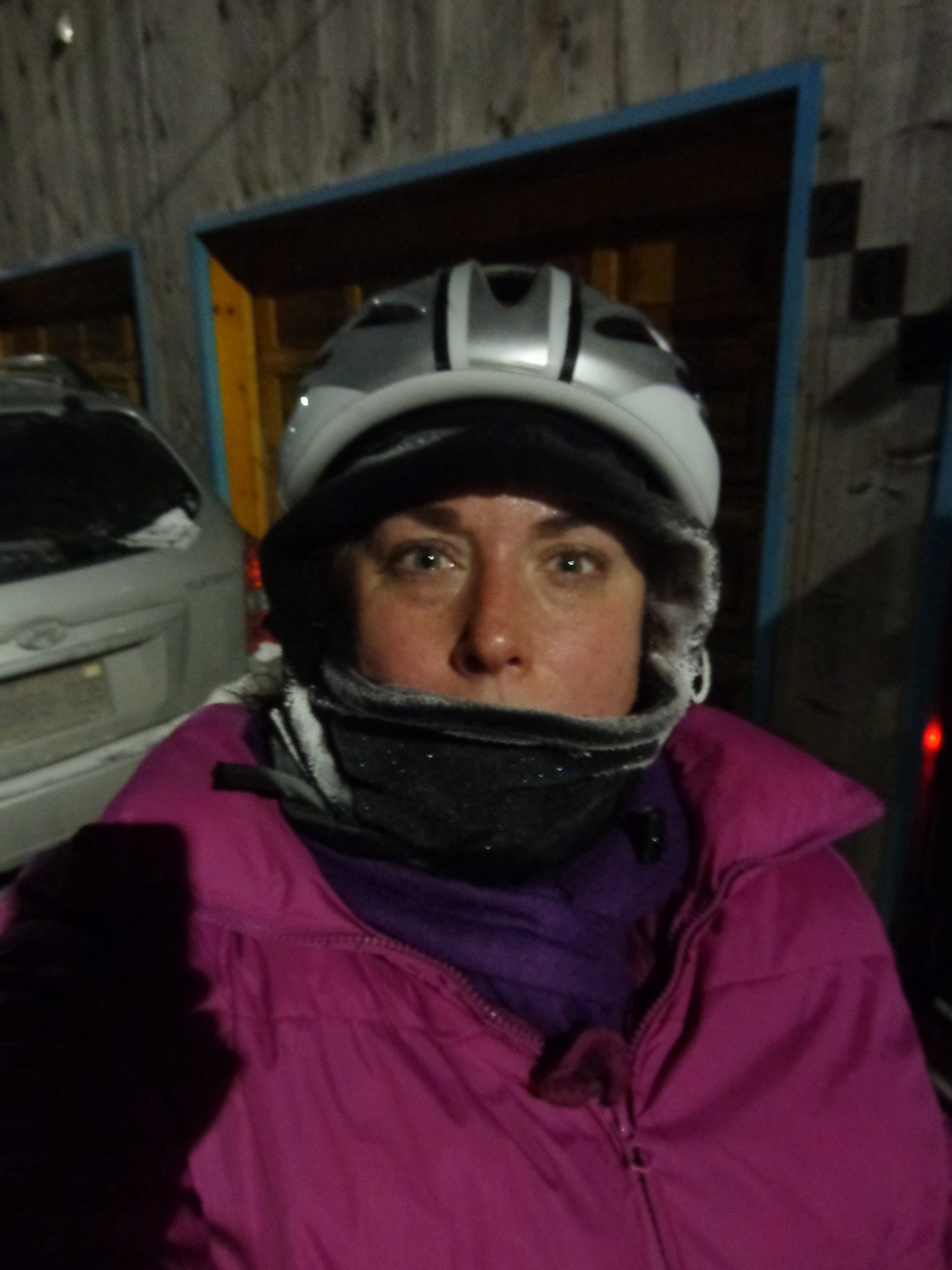
Bonus pic: here’s me back in my bike commuting days, having just made it home at minus 19 degrees (Celsius; -2.2 Fahrenheit) on a frigid January night. This was during the so-called ‘Polar Vortex’ winter of 2013-2014, when temperatures were frigid for weeks. I’d leave home at about noon, with temperatures having ‘warmed up’ to -15 or so, and return home at about 10 pm. This was, I think, my coldest ride (the nightly lows of -24 or lower didn’t hit until after midnight).

That winter changed me in some lasting ways. More than a decade later, the cold still doesn’t bother me: that winter, I developed a strange respect for it that seemed reciprocated. It’s hard to describe, that sense of accepting the cold on its terms and asking it to permit me safe passage across its terrain. I no longer bike in the winter, though, and that balaclava is currently in deep storage.
*

Ooh: and another bonus pic. This is me with our child, heading off to school that winter, at about minus 24 Celsius. The worst thing on these mornings wasn’t the cold: it was that the sidewalks were a glare of ice.

 

[I’ve been dismantling my Facebork account the lazy way, by checking in regularly to delete everything posted on a given day via the helpful ‘Memories’ widget. Anything worth saving gets downloaded; items still worth sharing occasionally appear here.]

In the Midst of Winter Read More »
Packing Christmas Away

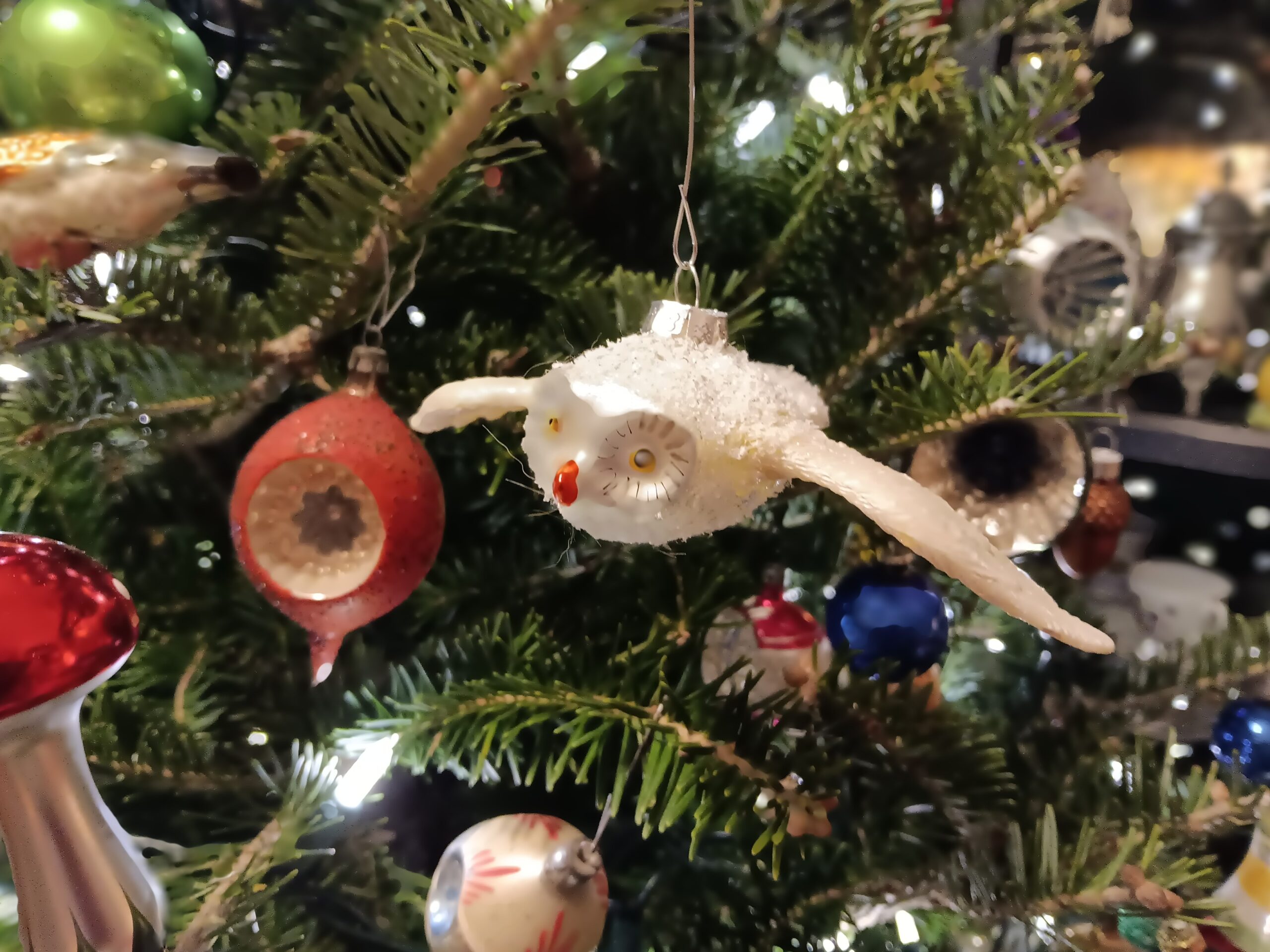
snowy owl ornament on Christmas tree

Today I’ve been packing Christmas away—a necessary if somewhat melancholy task. But Epiphany has passed and, more importantly, it was sunny today and warm enough to take down the outdoor lights. Winter weather will return to southern Ontario on Saturday, and after this it could be March before we’ll have another mild and sunny day.

When I went out onto the front balcony to take down the second floor lights, I realized a squirrel had chewed the wires. Poor squirrel—hope it recovered from what I presume must have been a shock! And poor lights! Next year I’ll hang a slightly shorter strand of outdoor lights over the balcony that will be difficult for the squirrels to access.

This evening after dinner I’ll untrim the tree, and then take it out to the back garden and stand it in a corner to offer winter shelter (and an extra hiding spot from hawks) for the little birds who frequent our feeder and the opossum who occasionally makes a quiet appearance.

If I had my druthers and was a little less exhausted after Christmas, I’d do what I used to do, which was untrim the tree on New Year’s Day, in order to start the year with a clean slate. The purists would have us wait until after Twelfth Night, and fair enough, but it is also perfectly reasonable to want to put away the bright shiny things after a month or more of holiday-related frenzy activity.

I am very fond of ‘shelter’ magazines (particularly those focusing on vintage or ‘country’ decor, although over the years I’ve subscribed to everything from to House and Home to Architectural Digest)  and, after the flea market-themed summer issues (although sadly, to my knowledge Architectural Digest has never had a flea market issue—it totally should!), my favourites have always been the January-February issues, which reliably feature pale colours and peaceful, serene settings.

I love the idea of a January re-set. I love seeing pictures of soft mauve throws layered against clean-lined grey sofas with low stacks of curated art books set just so atop rustic coffee tables in the foreground and pale winter light casting its restful glow over the peaceful scene.

Maybe this year I’ll manage, in this serene season, to clean off our own coffee table well enough to reliably find the television remote!

Packing Christmas Away Read More »

A Red Bird in Winter

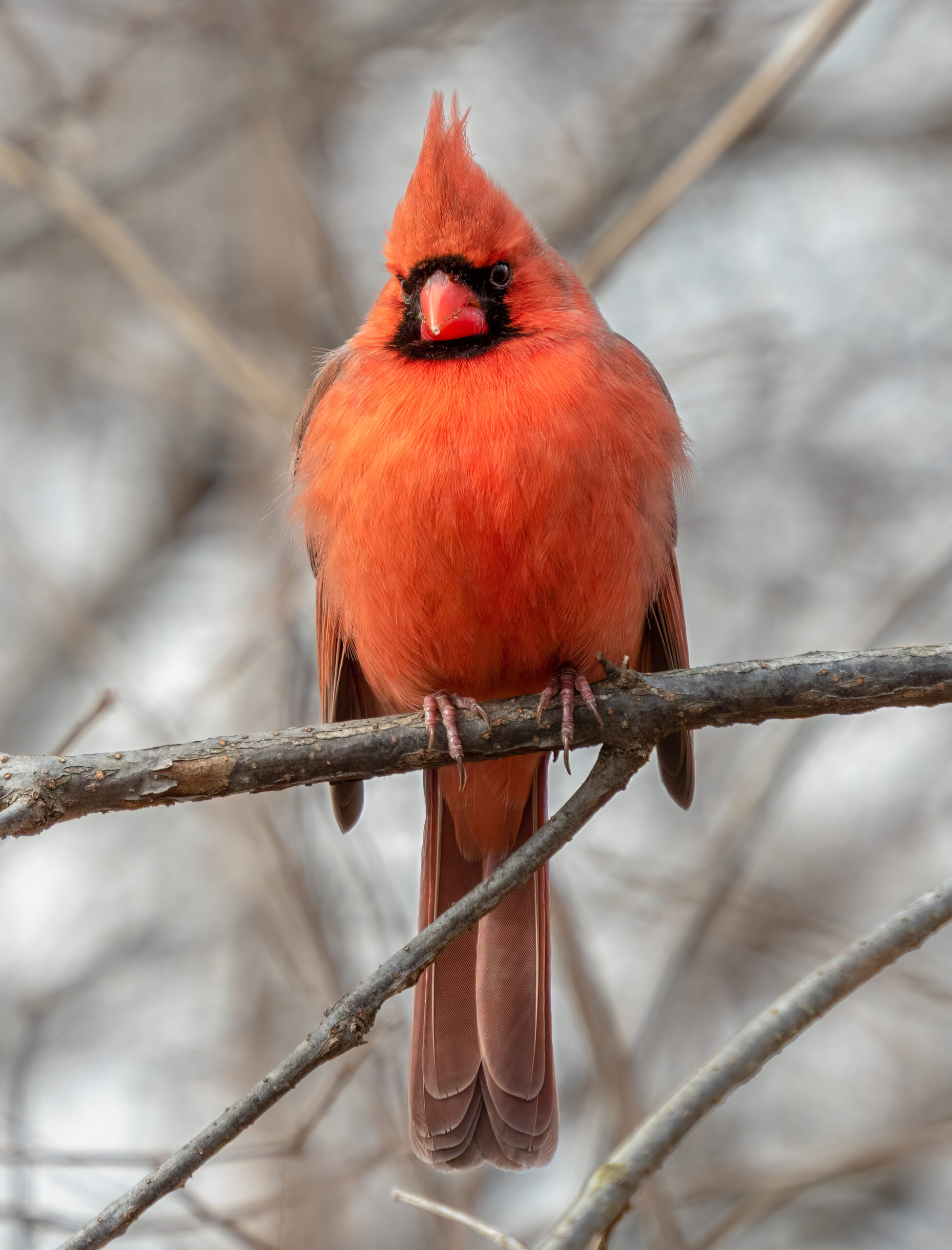
northern cardinal
Northern cardinal. Image source. Creative Commons license.

During the long night of winter the city pauses, midway between dark and day. It goes on like this for weeks: each bleary dawn, the fickle light, the slow descent into twilight. There are consolations, however. A morning sky like burnished silver; the sly moon, gliding across the landscape. After a snow the light is brilliant, and on the first day of the year we dredge for hope in its drifts.

All the things we might love appear without warning, appear out of nowhere, like the red bird in winter that turns the season toward light. The winter swells like a wound; it wells up in us; suspends us, our shovels frozen in mid-air. We are like mammoths, fossils imprisoned in ice until something in us trickles free, until the crystalline structure shatters and we move again, flowing toward the light.

On the first day of the year the houses across the alley loom like old ghosts. They waver in a squall, their shape traced and erased by branches. A cardinal lands in the cedar, sings despite the storm. A light goes on in someone’s kitchen, a kettle scrapes across the stove. And rapidly I dress and put on my coat, and go out to greet the year.

[A version of this post appeared at Reading Toronto on 1 January 2008.]

A Red Bird in Winter Read More »

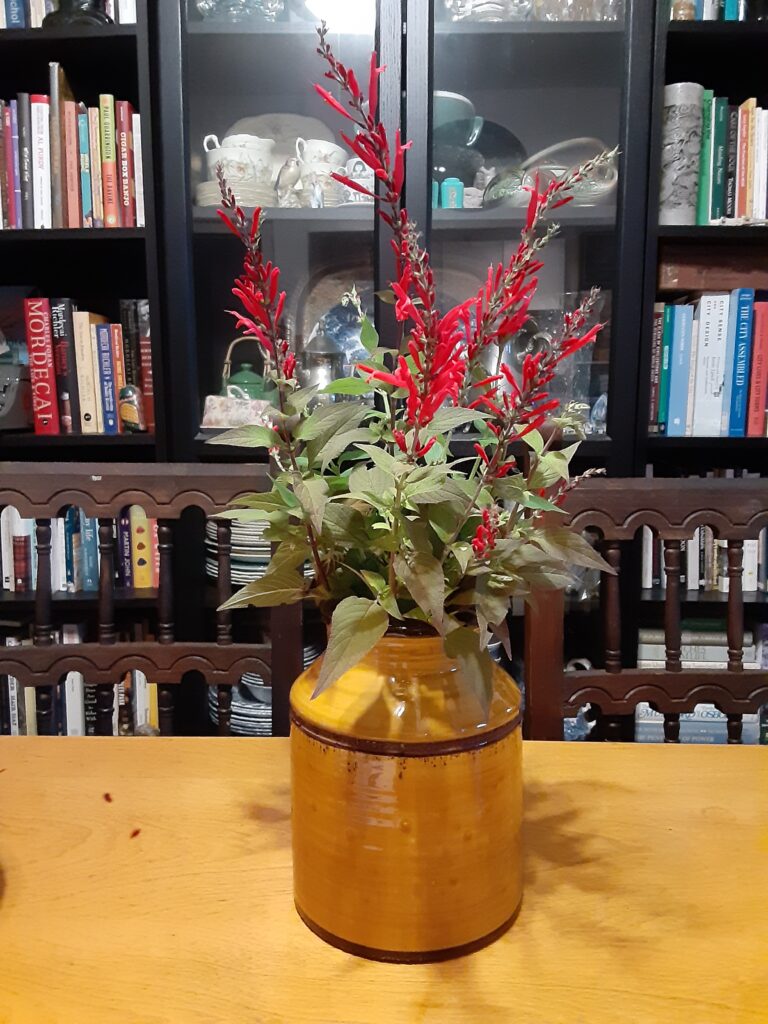
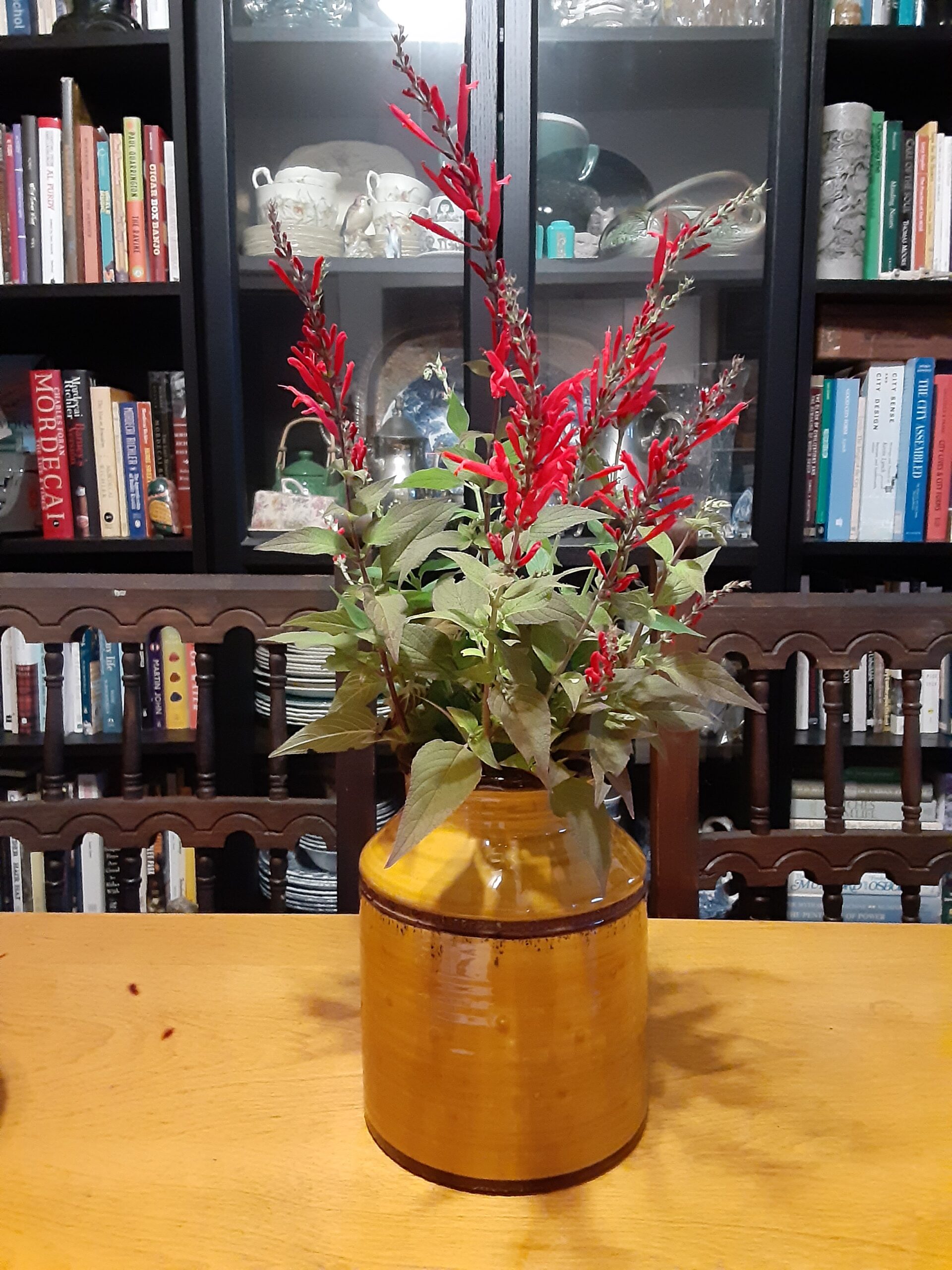
Cut pineapple sage blossoms in an earthenware vase

The Final Task of Fall

Early this afternoon a friend posted online that fat snowflakes were falling on her southwestern Ontario city. This was my cue to go out and cut the bright red sprays of pineapple sage blossoms that bright red sprays of pineapple sage blossoms in an earthenware vaseare the last thing to bloom in my garden, and bring them in to set in a vase. In previous years I have also marked this occasion by making pineapple sage bread or pineapple sage jelly, but this year (unless I feel spectacularly ambitious tomorrow—and already I do feel tempted) the cut flowers are going to provide their own lovely coda to fall.

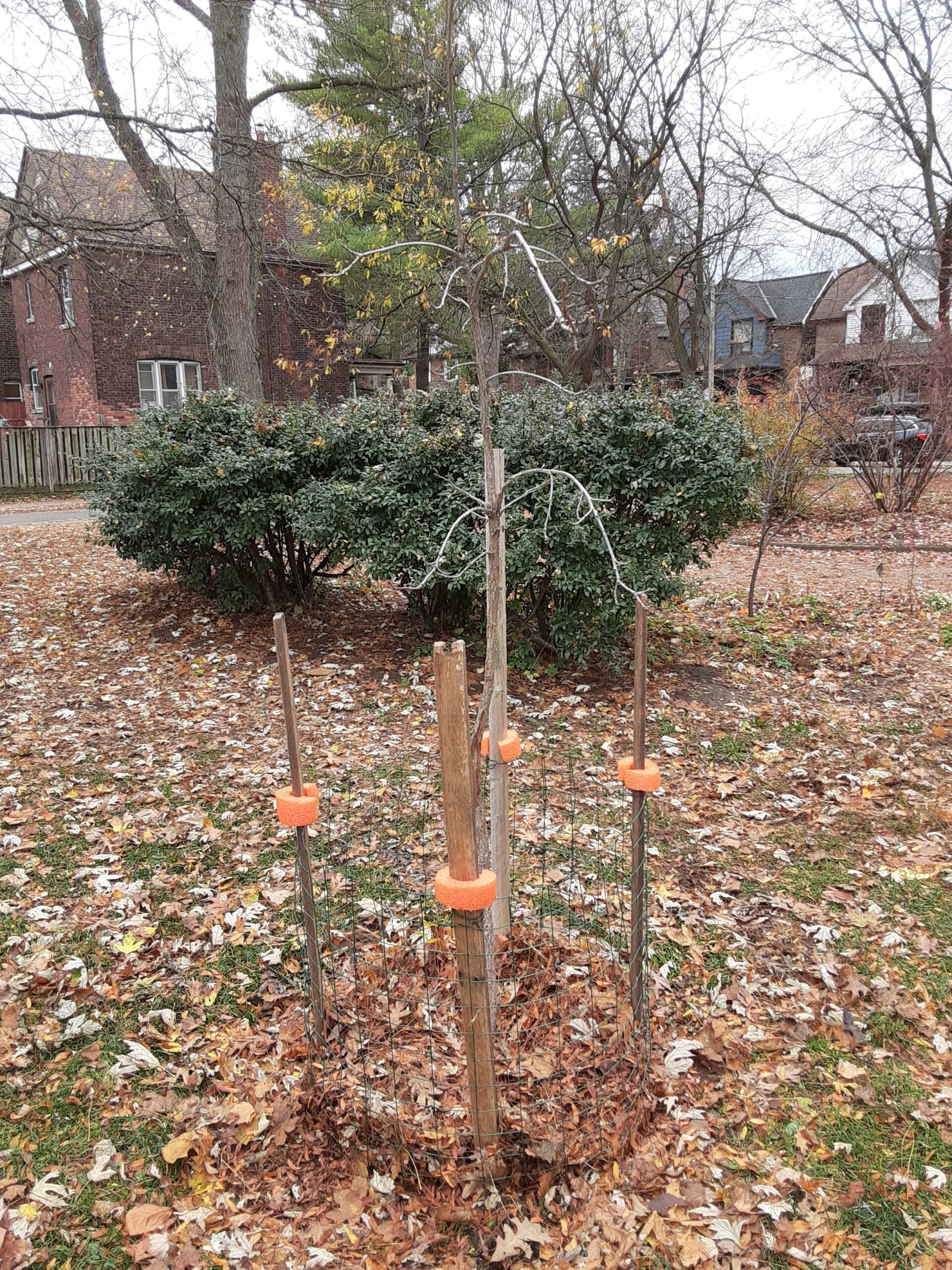
Watching the sky, I also went down the street to tend to our bur oak, guerrilla planted in the circle park about three years ago. The oak has withstood the ravages of kids, dogs and City parks crews, but I was a little concerned about someone or something knocking it over during the coming winter. I hammered in three additional stakes and wrapped fencing around them to provide a bit more protection. I was pleased to see next year’s buds already well-formed.

A young bur oak, staked and fenced for protection in a public parkWhile I was doing this work, a woman stopped to chat about the oak. She told me she also has a bur oak in her front garden, and tends it with care. We talked about trees, raccoons, and the ecological responsibilities of urban citizens. She told me she feels very close to her tree; adding that it’s hard not to love something you care for.

I feel the same about our little oak. It’s hard not to hope too much for its future: the folly (and unfortunate necessity) of urban forestry is that trees are planted as singletons, whereas in a woodland environment dozens of seedings might grow in a square metre, insurance against drought, cold, or the grazing mouths of hungry animals.

Still, next year I might see if it’s possible to obtain another bur oak, or two, and get a small oak plantation going in the circle park. We are already nurturing a (non-native) horse chestnut, a white or red oak, and an American elm sapling that is reportedly resistant to Dutch Elm Disease in pots in our garden, for future guerrilla planting, and it wouldn’t hurt to add at least one more bur oak. German forester Peter Wohlleben‘s work suggests trees grow best in communities, so the least we can do is try to get one going.

After tending to our oak, I came home, packed away the last of the pots on the front verandah (and dug in and heavily mulched some sweet cicely and Angelica in hopes it might overwinter in its containers), put the pineapple sage blossoms in water, and turned my internal clock from fall to winter mode.

The Final Task of Fall Read More »

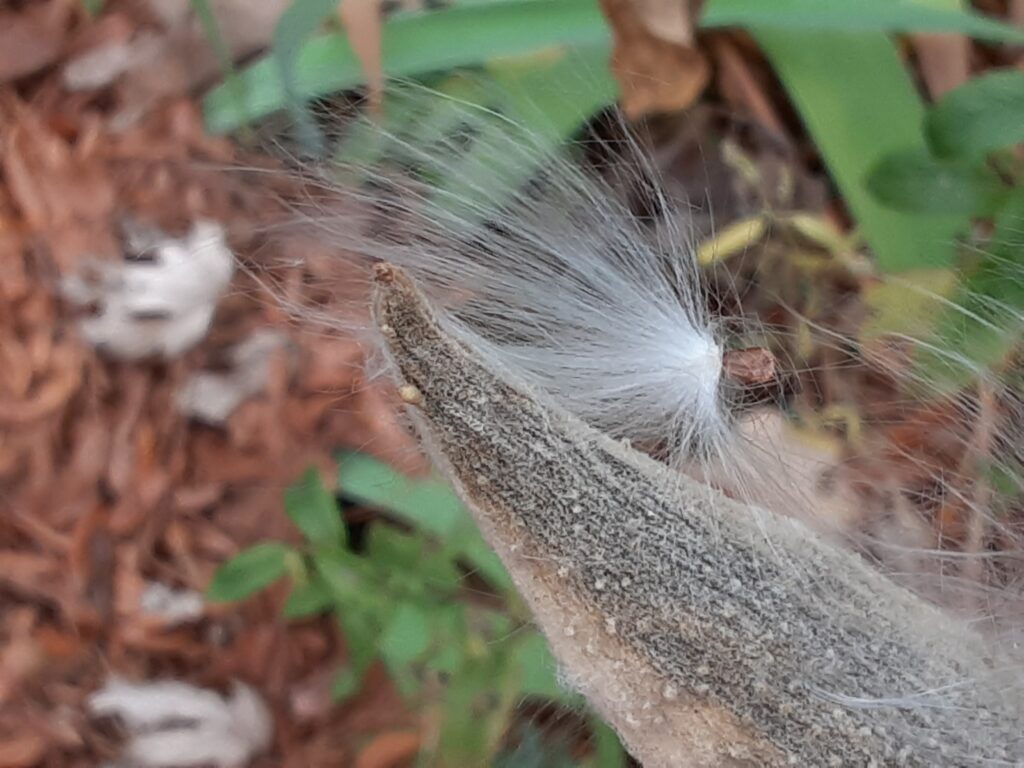
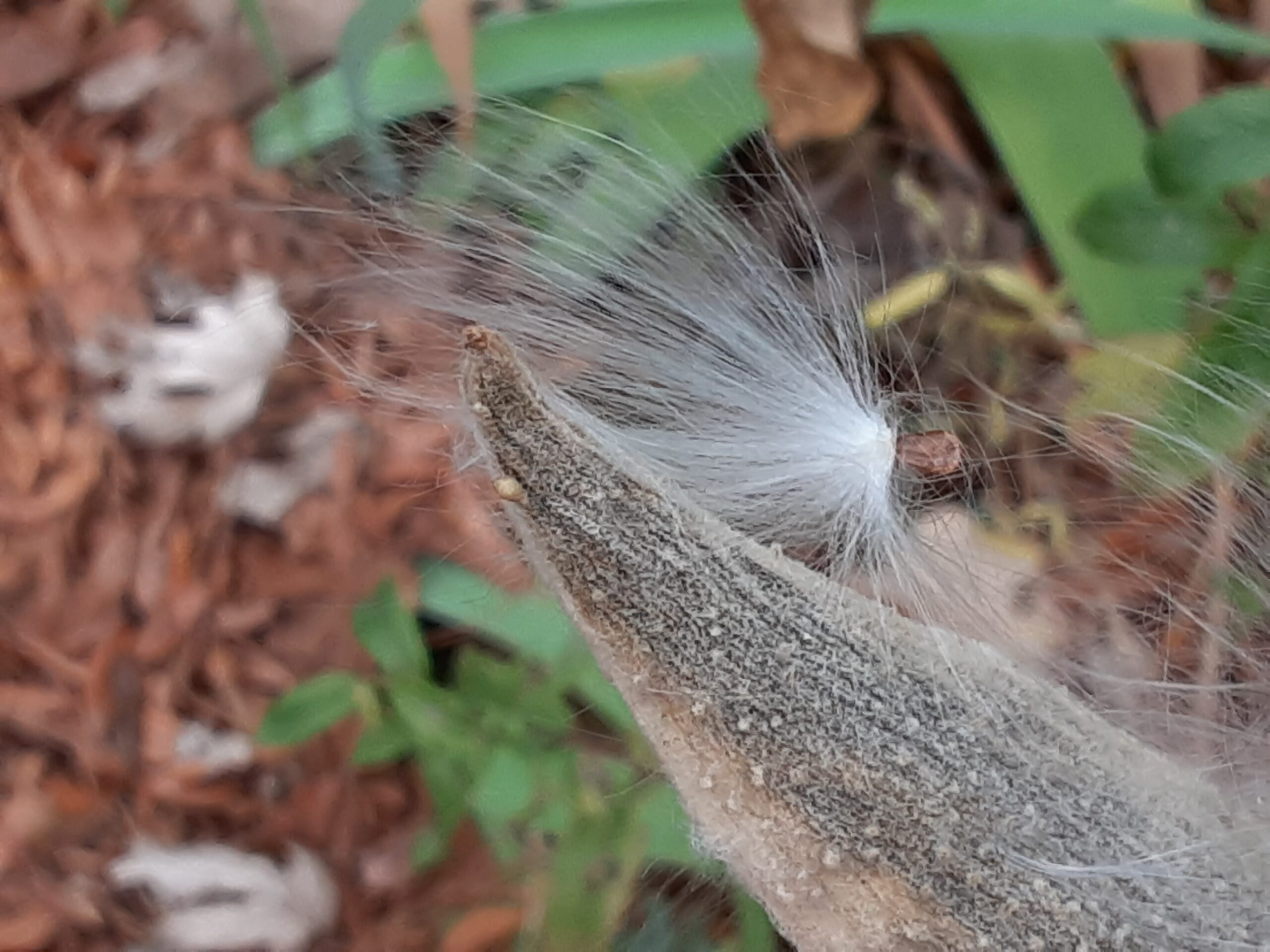
milkweed fluff, loosed from its casing

Putting the Gardens to Bed

At six o’clock the setting moon casts its waning glow in the west, while a thin wedge of dawn opens up on the eastern horizon. A pale, thin dawn that silhouettes the trees, stark and bare on this November morning. At seven the little birds congregate at the feeder, wings buffeting the air, their tiny heated hearts beating impossibly fast. Beneath them fat squirrels gather seeds the birds kick down and plan their own incursions at the feeder.

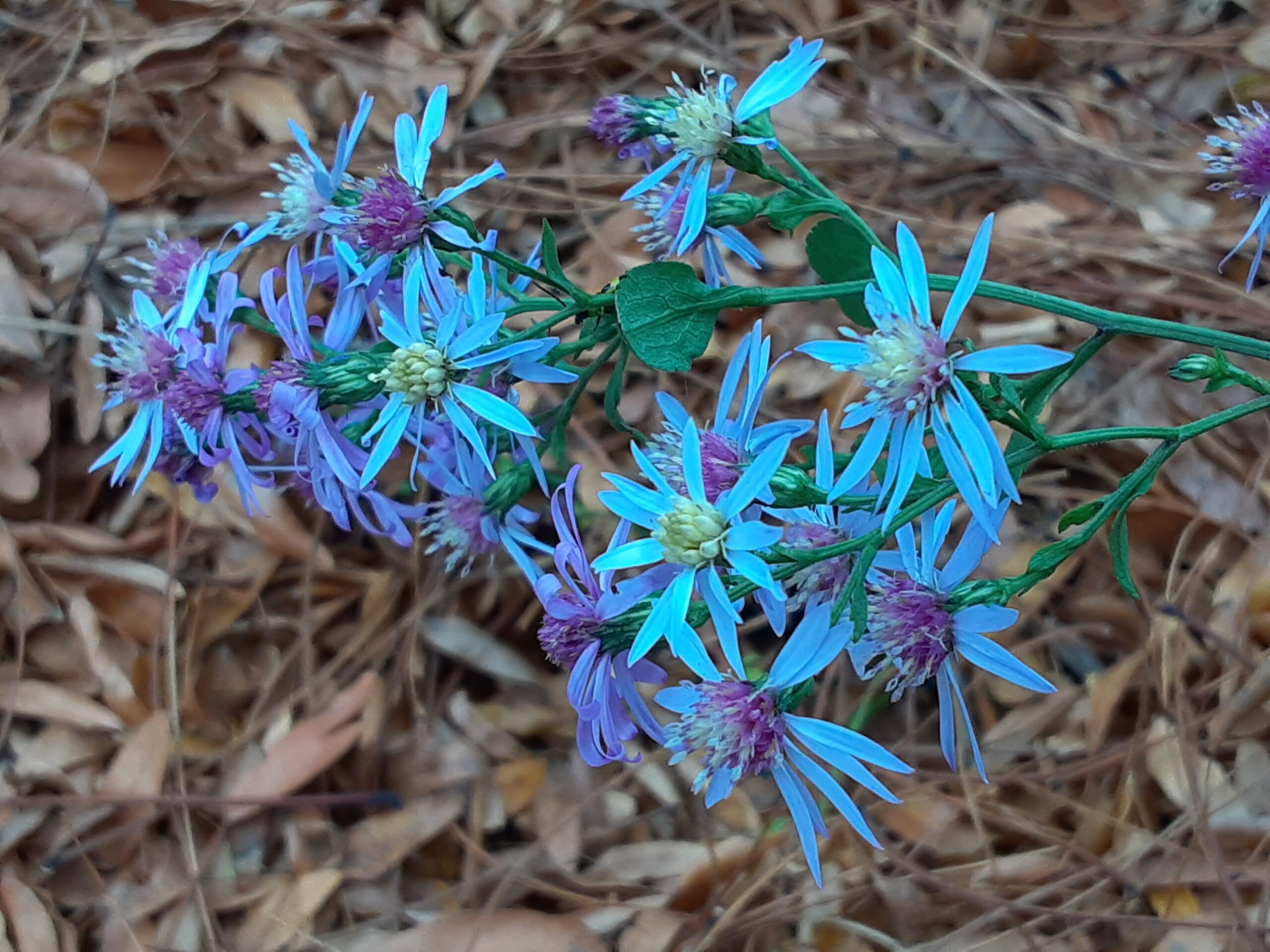
purple asters with yellow centres, glowing in the November lightYesterday, on the last improbably warm day of this beautiful fall, I finished putting the gardens to bed. On Thursday I planted the garlic, pushing fat cloves down into yielding soil, and set the containers against a stone wall in our front garden where they will receive reflected heat and light, and yesterday I mulched them and tucked leaves deep around the containers.

Yesterday I pulled the last of the tomatoes, harvesting the green fruit, and picked red and green peppers. One final, fibrous eggplant revealed itself, too woody to be eaten, and so with regret it went into the compost. All the containers are now tucked away; the walks swept; leaves mounded on the gardens; a couple of nursery trees dug down into the soil to overwinter; patio furniture put away; the air conditioning compressor covered; verandahs swept.

The final task—the one I always put off until last—was to clean out the eavestroughs on the garage. A few years ago we had the eavestroughs on the house replaced and covered with gutter shields, and this has saved us from needing to wedge an extension ladder between the houses, climb up two stories and stick our heads above the roofline in the narrow space, hoping not to swallow too much leaf litter while hauling it out. But the garage eavestroughs are old and uncovered, and fill up over the season with decaying leaf material and bits of grit from the old shingles. Usually I complete this messy task on the last possible day, while rain and flurries swirl about my frozen head. Yesterday it merely rained, a warm rain, as I sang ‘Swamp Thing’ to myself and hauled buckets of sludge down a step ladder and dumped them into the compost (where they will make incredibly rich soil).

milkweed fluff, loosed from its casingThen I put the ladder away, swept the walks one last time, and cast my eyes over the gardens, looking for anything that might be vulnerable to winter. The only container plant left uncovered is the pineapple sage, now blooming in bright red fireworks, which I will cut and bring in today before tucking the very last of the pots away.

There are flurries in the forecast for tomorrow, and then it will be time to turn inward, to warm interior spaces, and hearty meals, and cozy evenings spent with books.

Putting the Gardens to Bed Read More »